The route, in order
This was the highlight of our travel year, and by a real margin — not just another trip on the list. We flew into LAX and flew home from San Diego 19 days later, and everything in between was a loop through the “Mighty 5 plus Grand Circle” country: Las Vegas, Zion, Bryce Canyon, Capitol Reef, Arches and Canyonlands out of Moab, Page for Antelope Canyon and Horseshoe Bend, a day at the Grand Canyon’s South Rim, Sedona, Lake Havasu City, Palm Springs, Joshua Tree, Idyllwild, and Carlsbad before the final stretch into San Diego. Driving it in that order keeps the mileage sane and the scenery building instead of backtracking. We also lucked into close to perfect weather the whole way — not something you can plan for, but it’s a real part of why the trip landed the way it did.
Two-plus weeks is genuinely what this route needs. We had 19 days and still felt like we were moving most mornings — compress this into a week and you’re trading almost every hike for windshield time. If we replanned it today, the one change would be a couple of extra days at each stop rather than adding more stops; we’d rather have sat still longer in fewer places than seen slightly more at the same rushed pace.
Day by day
Las Vegas, NV (2 nights, Hilton) — flew into LAX and drove straight to Vegas, about 4.5 hours via the I-10 to I-15 corridor. Left after morning rush hour, topped up fuel in Barstow, and used the Cajon Pass and Mojave stretch as scenery rather than a chore. One full day in the city (Strip walk, Bellagio fountains, the High Roller) with a half-day out to Red Rock Canyon or Hoover Dam.
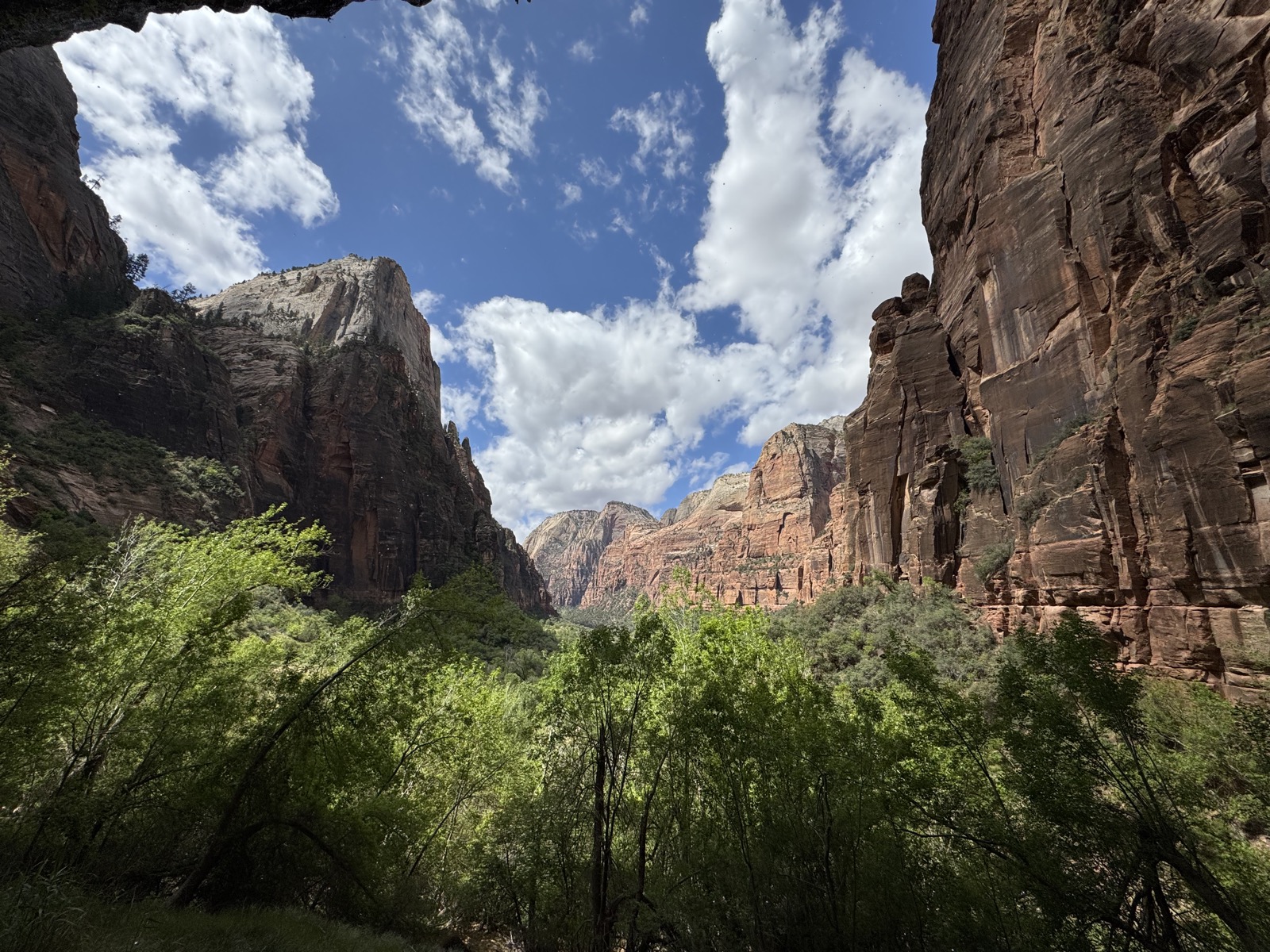
La Verkin, UT — Zion (2 nights, Best Western Plus Zion West) — about 2 hours from Vegas, with a Valley of Fire detour and stops at St. George and Red Cliffs along the way. Zion itself runs on its shuttle system during busy months — you can’t drive the canyon scenic road yourself — so we started early both mornings to beat the shuttle queues, and used the second day for Kolob Canyons and the quieter overlooks away from the main canyon floor.
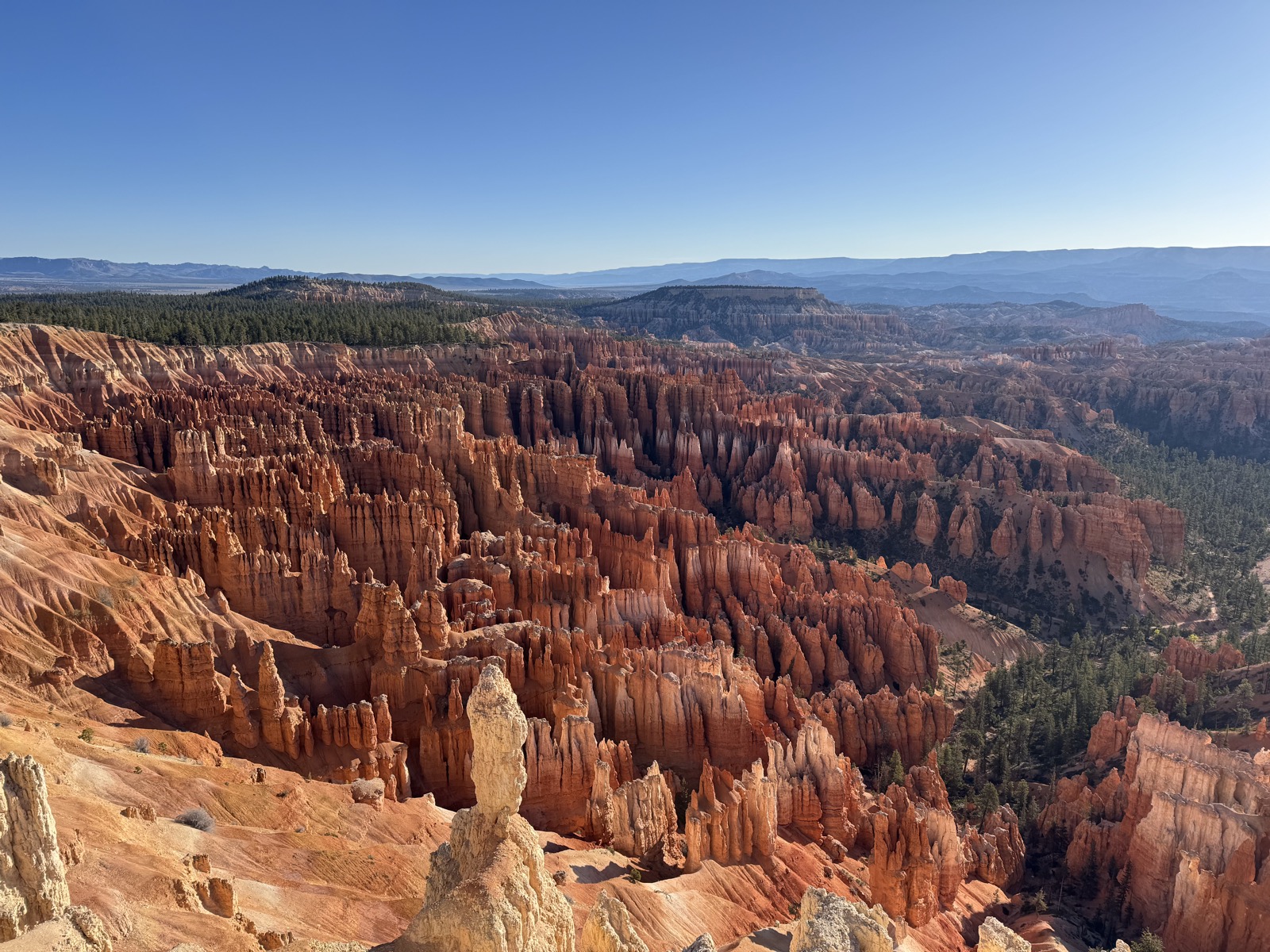
Bryce Canyon City, UT (2 nights, Ruby’s Inn) — a scenic 2-hour drive up UT-9 and UT-59/389. Bryce’s rim sits above 8,000 feet, so we treated sunrise at Bryce Point as the priority the first morning and used the second day for the Navajo Loop/Wall Street combination and Queen’s Garden — enough to feel the amphitheater without overdoing the elevation.
Torrey, UT — Capitol Reef (1 night, Broken Spur Inn & Steakhouse) — the quietest park on the route and a good half-day stop: petroglyphs, the historic Fruita orchards, and noticeably fewer people than Zion or Bryce.
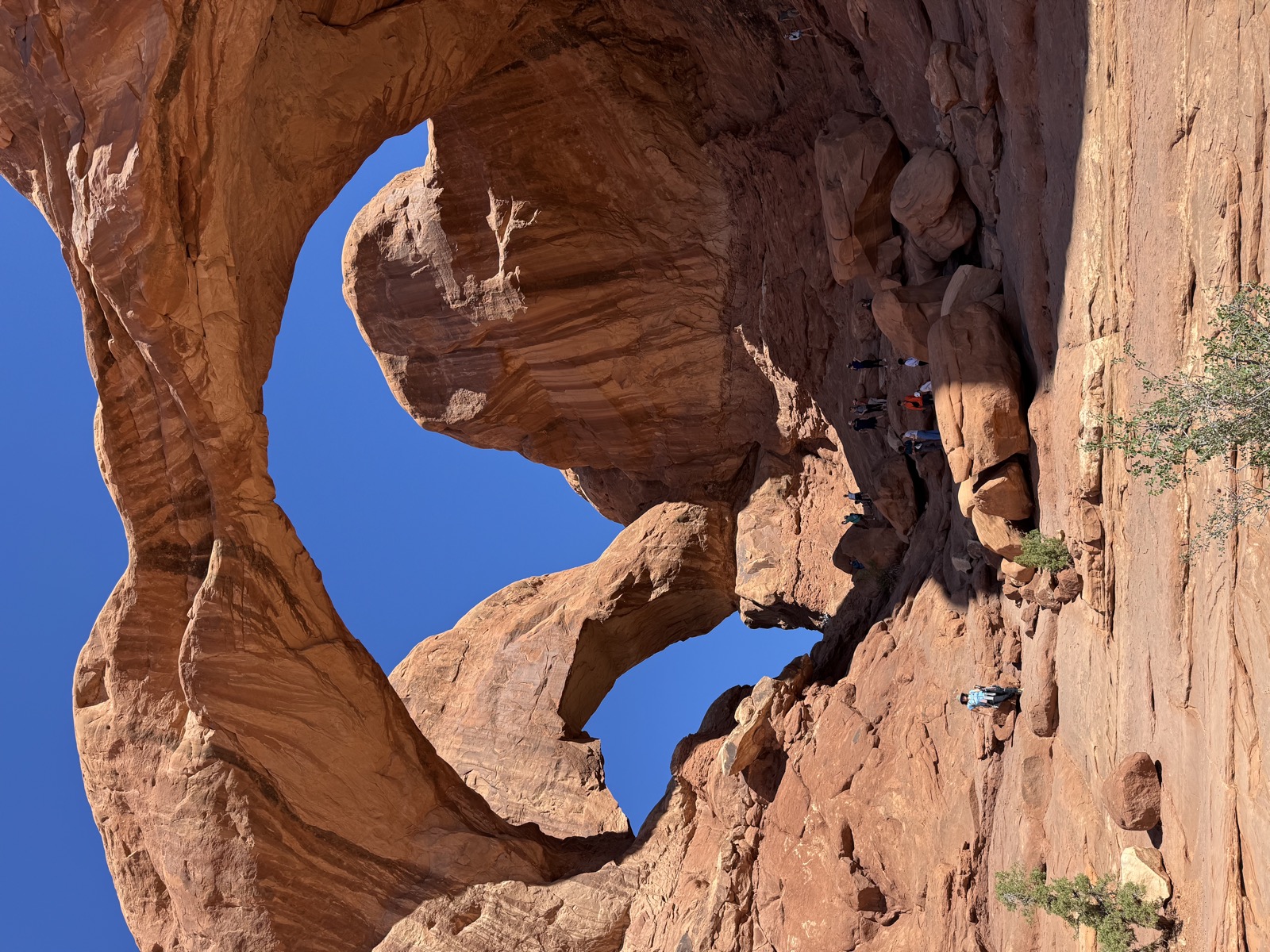
Moab, UT — Arches & Canyonlands (2 nights, Aarchway Inn) — two parks, one base. We started both mornings at dawn to catch Delicate Arch and the Windows section in Arches before the heat and crowds built, then gave Canyonlands its own day for Mesa Arch and Grand View Point. Carry more water than feels necessary here — 3–4 liters a person for a full trail day isn’t excessive in this heat.
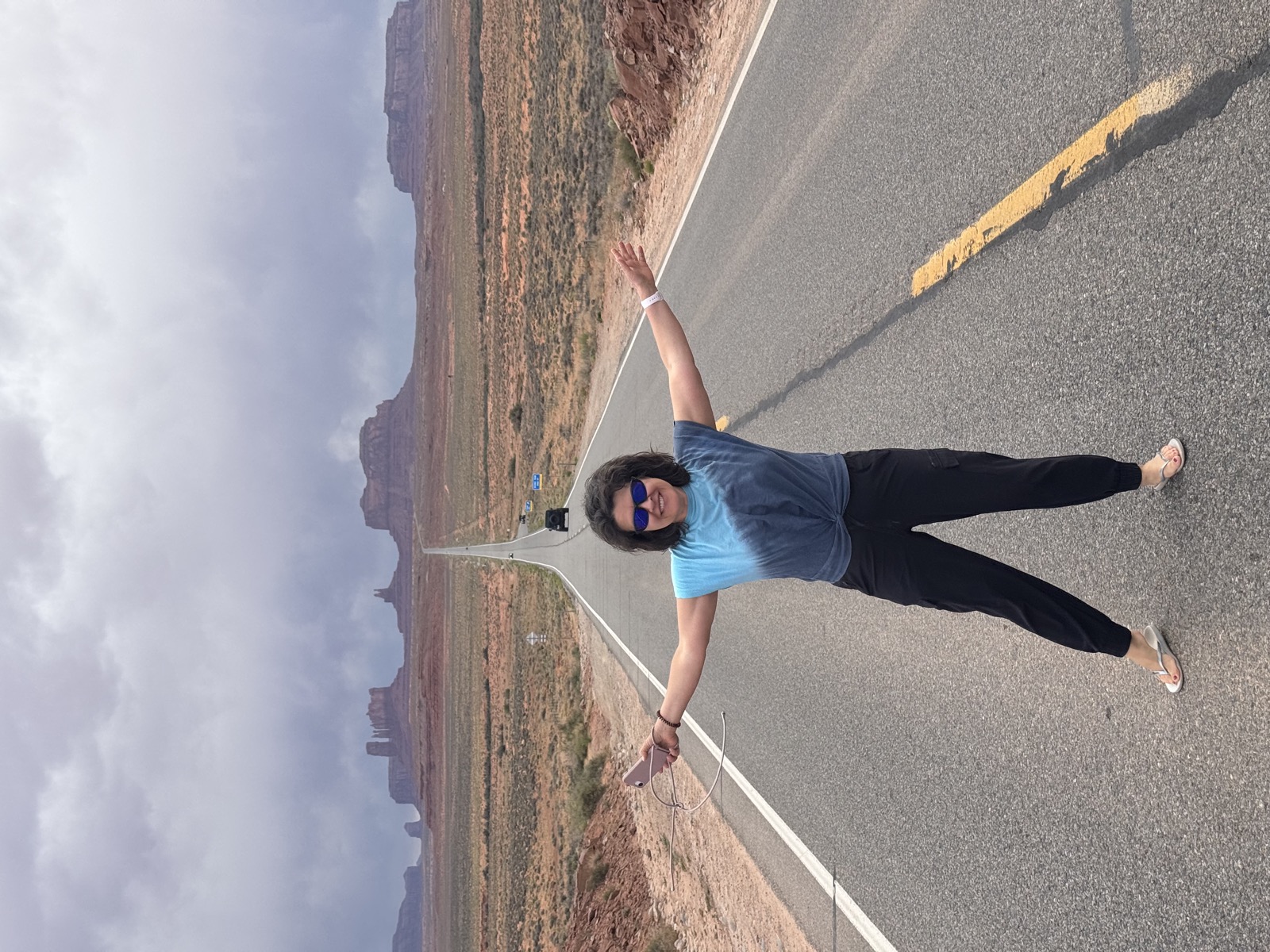
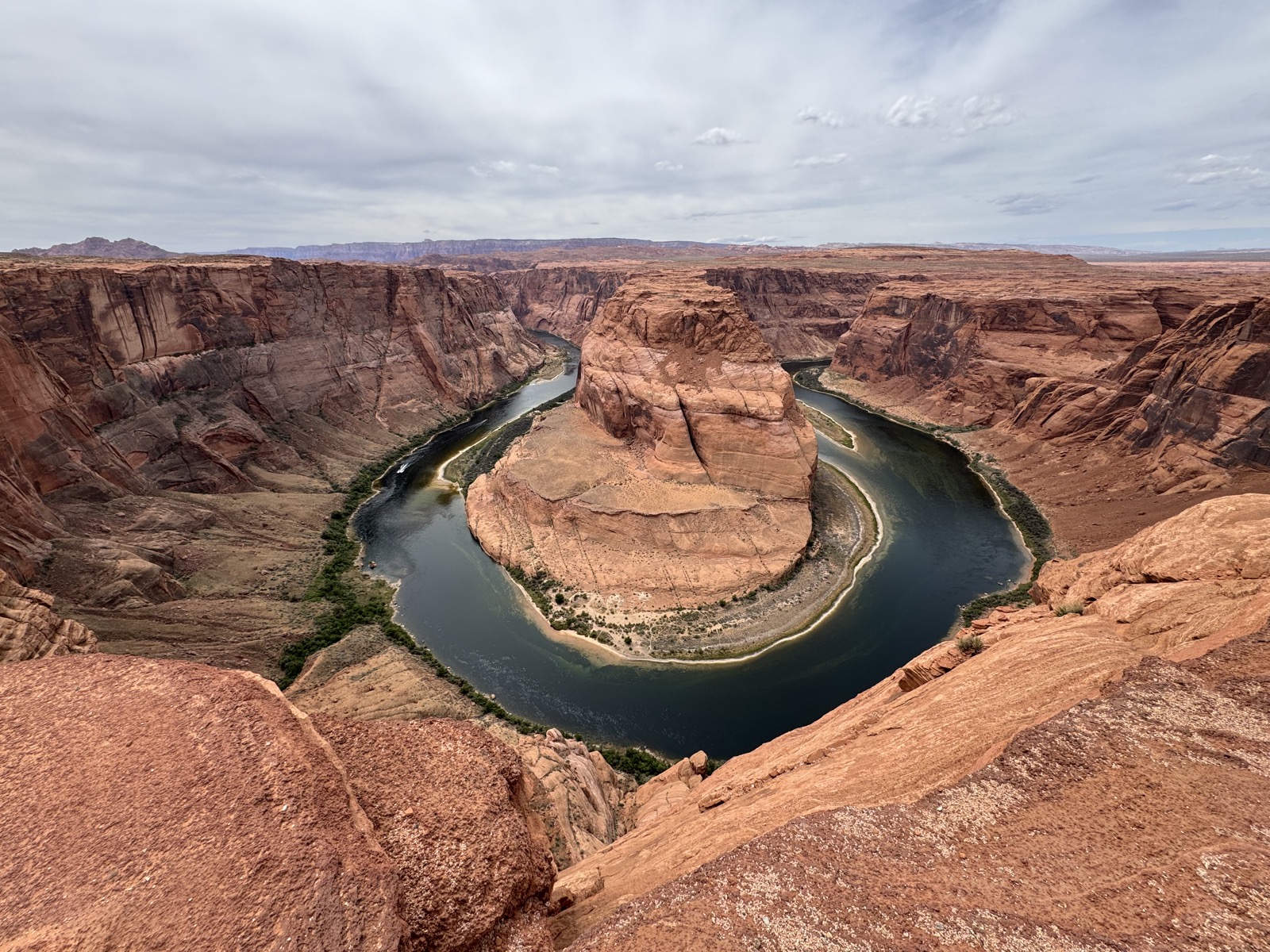
Page, AZ — Antelope Canyon & Horseshoe Bend (1 night, Wingate by Wyndham Page Lake Powell) — about 4.5 hours from Moab, with optional Monument Valley views along the way if you don’t detour off-route. Lower Antelope Canyon is guided-access only — there’s no independent entry — and slots for the popular tour times sell out days or weeks ahead in high season, so we booked ahead rather than trying to walk up.
Grand Canyon South Rim → Sedona, AZ (1 night in Sedona, Wildflower Inn at Bell Rock) — Williams was the original plan for this night, sitting right at the Grand Canyon’s doorstep. We swapped it for Sedona instead: Antelope Canyon tour first thing in the morning, then Glen Canyon Dam Overlook, then straight through Grand Canyon Village on the South Rim as a day visit, continuing on to sleep in Sedona rather than Williams. It’s a long day of driving and sightseeing back to back, but it was the right call — Sedona turned out to be one of the best decisions of the whole trip, and a far more memorable place to land for the night than a gateway town would have been.
Lake Havasu City, AZ (1 night, Home2 Suites by Hilton) — about 3.5 hours from Sedona, worth the detour for Route 66 nostalgia and, oddly, London Bridge — yes, the actual bridge, relocated here from London in the 1960s.
Palm Springs / La Quinta, CA (2 nights, Homewood Suites by Hilton) — Parker Dam views and small desert towns along CA-62/177, plus the Cabazon Dinosaurs as an unavoidable roadside landmark. We arrived by midday to actually use the pool, and booked the Palm Springs Aerial Tramway for sunset. The second day was intentionally unhurried: the Tramway trails in the morning, a midday break from the heat, then Palm Canyon Drive and the botanical garden.
Joshua Tree (day trip from the Palm Springs area) — not an overnight on this itinerary, but an easy add-on given how close it sits to the desert stops above.
Idyllwild, CA (1 night, Tahquitz Pines Retreat) — a short but twisty 75-minute drive up the Palms to Pines Scenic Byway (CA-74), climbing into mountain switchbacks that feel like a different climate entirely from the desert floor below. A good, low-key overnight in a mountain arts-town before the final push to the coast.
Carlsbad, CA (2 nights, Hilton Garden Inn Carlsbad Beach) — down through Temecula (old town and wineries make a good lunch stop) and Oceanside, timed to arrive at the coast for sunset. We used the extra day for a Carlsbad State Beach sunrise walk and the Flower Fields when in season.
San Diego, CA (1 night, DoubleTree by Hilton San Diego Bayside) — a short last hop before flying home, with just enough time for La Jolla Cove, Balboa Park, or the Gaslamp Quarter depending on what you skipped earlier. We built in roughly three hours before the flight for the rental car return and airport process.
The America the Beautiful pass
If you’re visiting more than two or three federal parks or monuments in a year, the annual pass pays for itself quickly — a single park entrance fee can run $30–$35, and this route alone touches five or six fee sites. It covers everyone in the vehicle at parks that charge per-car, and it’s sold at any federal recreation site entrance or online in advance.
Permits and reservations to sort out ahead of time
Zion requires the shuttle during peak season — there’s no driving the main canyon road yourself. Lower Antelope Canyon is guided-tour-only, and popular slots sell out well ahead, so book that one before you land, not after. Arches has run a seasonal timed-entry reservation system in recent years during its busiest months — check current requirements before you go, since this has changed from year to year.
Pacing this trip in your fifties and beyond
Elevation catches people off guard more than heat does. Bryce Canyon’s rim sits above 8,000 feet, and several trails in this region gain and lose elevation quickly — a slower pace and extra water breaks are worth it even if you’re generally fit. The desert heat cuts the other direction, and can swing from cold mornings to genuinely hot afternoons, so layers matter more here than they would on a beach trip.
A tip that’s saved us money more than once: skip the traditional airport rental counters and check a car rental comparator site before booking. The desk-brand rate and the comparator rate for the identical car class can differ substantially for the exact same dates, and a full-size or SUV for three weeks of national park driving is worth shopping around for.